









5G+unmanned mining moves from pilot to normal, and China's metal mine intelligence enters a period of scale replication
release date:2026-04-16


On April 7, 2026, an industry event focusing on intelligent mining of metal mines kicked off in Ma'anshan, Anhui. The "2026 Intelligent Mining Technology Forum for Metal Mines" hosted by the China Metallurgical Mining Enterprise Association attracted more than 400 representatives from mining enterprises, equipment manufacturers, communication operators, and research institutes across the country. The "Report on the Intelligent Development of China's Metal Mines (2026)" released during the forum provides a set of key data: as of the first quarter of 2026, more than 150 large and medium-sized metal mines in China have completed or are close to completing the construction of intelligent mining workfaces, an increase of 30% compared to the data at the end of 2025. More noteworthy is that key technologies such as 5G+unmanned mining, remote crushing, autonomous driving of mining trucks, intelligent ventilation, and high-precision underground positioning are no longer sporadic pilot projects, but have entered the stage of large-scale replication and promotion.
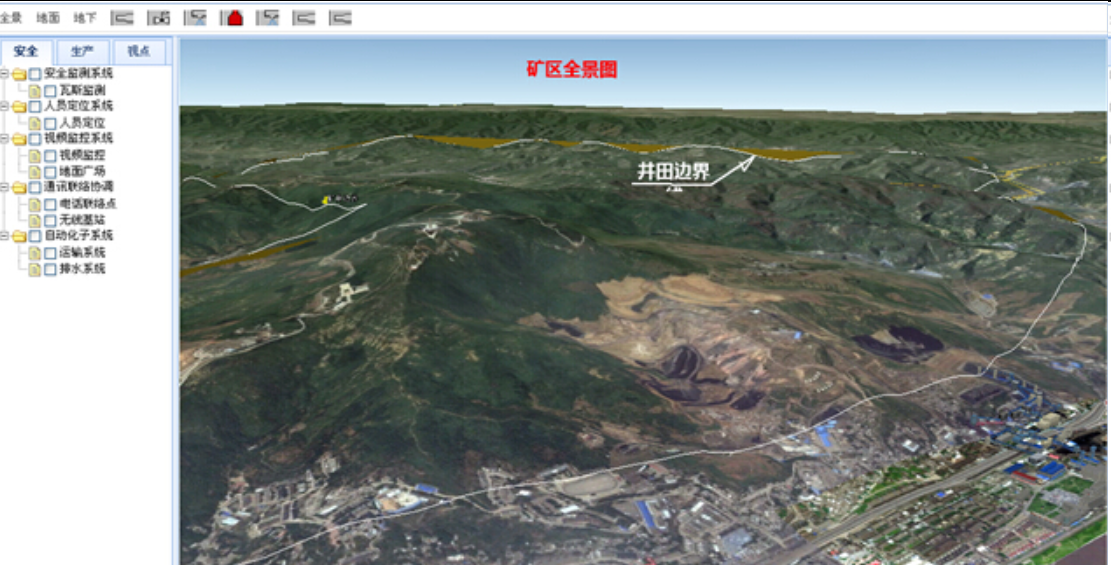
From "single point experiment" to "full process integration": leading mining enterprises submit their performance report
In the enterprise sharing segment of the forum, leading enterprises such as Ansteel Mining, Zijin Mining, and Jiangxi Copper Industry showcased their respective intelligent implementation paths. Unlike the previous remote control transformation of a single device, today's intelligence has extended to the entire operation chain.
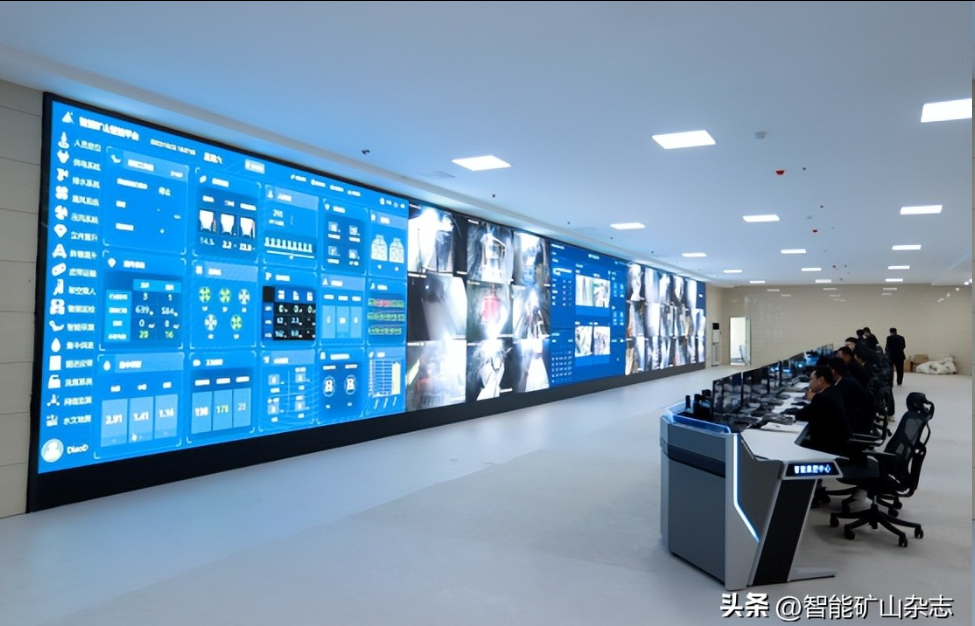
A large iron mine under Ansteel Mining has established a ground remote control system from perforation, blasting to shovel loading and transportation. Through the video and control signals carried by the 5G private network, all operators of 12 electric loaders and 8 mining trucks were transferred to the ground control center. The results are directly reflected in two numbers: a 40% reduction in single shift underground workers and a 15% increase in overall efficiency of shoveling and transportation. The person in charge of the mine revealed that the next goal is to achieve unmanned operation in the beneficiation process, and plans to build a full process "black light factory" by the end of 2027.
The practical scenario of Zijin Mining is even more demanding - high-altitude mining areas with an altitude of over 4000 meters. Here, Zijin has teamed up with domestic autonomous driving companies to overcome the challenges posed by extreme conditions such as low oxygen, frequent heavy fog, and slippery roads in high-altitude areas for autonomous driving. The unmanned mining truck system has currently operated safely for over 500000 kilometers, and the maximum daily transportation volume per vehicle has reached more than 90% of the level of manual driving. The long-standing problem of difficulty in recruiting and retaining drivers in high-altitude areas has provided a technological solution.
Jiangxi Copper Industry has taken a different approach, focusing on the protection of underground environments and the replacement of hazardous operations through intelligent technology. The intelligent ventilation system deployed in its large-scale copper mines reduces ventilation energy consumption by 22% and increases the underground air quality compliance rate to over 98% by monitoring the status of the air network in real time and dynamically adjusting the air volume. At the same time, the crushing operation of large ore blocks can be remotely controlled from the surface, and operators can completely escape from the underground dust and noise environment.
5G becomes the "new artery" underground, and autonomous driving extends to underground tunnels
The report points out that 5G private networks are becoming the fundamental support for the intelligence of metal mines. As of the end of March 2026, more than 80 metal mines in China have completed underground 5G network coverage, mainly carrying remote control, video feedback, robot inspection and other services. Compared to WiFi and 4G, 5G has advantages in latency (as low as 10 milliseconds), upstream bandwidth (up to 200Mbps), and connection density, providing communication support for multi device collaborative operations.
The autonomous driving technology of mining trucks is also extending to more complex underground tunnel scenarios. At present, three domestic equipment companies have launched integrated navigation solutions for underground tunnel conditions (steep slopes, narrow bends, and no GPS signals), using a technology route mainly based on laser radar and inertial navigation, supplemented by vision. Some mines have started trial operation. Forum experts predict that 2026-2027 will be a critical window period for the small-scale application of unmanned mining trucks underground.
Lack of standards and dependence on imports remain two hurdles
Experts attending the meeting also pointed out that the intelligent construction of metal mines is far from being "worry free". The high humidity, high dust, and strong electromagnetic interference environment underground places far greater demands on the reliability of sensors and algorithms than surface conditions. The communication protocols and data formats between devices from different manufacturers are incompatible with each other, leading to the widespread phenomenon of "data silos" and difficulties in collaborative linkage among multiple devices. In addition, core components such as high-precision inertial navigation components and high-power explosion-proof drivers still rely heavily on imports, posing potential risks to the supply chain.
In response to these issues, the China Metallurgical Mining Enterprise Association has revealed that it has jointly initiated the preparation of the "Technical Specification for Intelligent Construction of Metal Mines" series of standards with the Standardization Technical Committee. The first batch of group standards covering data interfaces, communication protocols, safety requirements, etc. are planned to be released by the end of 2027. At the same time, the industry will promote the localization rate of intelligent equipment through policy guidance and joint research and development, striving to achieve a localization rate of over 70% for major intelligent equipment in large metal mines by 2028.
Three year goal: 300 intelligent mining faces, reducing personnel by 30%
At the end of the forum, the "Three Year Action Plan for Intelligent Development of Metal Mines" was released, which clarified the quantitative goal by the end of 2028: to achieve intelligent operation of major production processes in large-scale metal mines nationwide; The number of intelligent mining workfaces has exceeded 300; The number of key underground job operators has decreased by more than 30% compared to 2025; Build more than 20 "smart mining" demonstration enterprises.
In his closing summary, the Executive Vice President of the China Metallurgical Mining Enterprise Association stated, "Intelligence is not just icing on the cake, but a necessary path for survival and development. Faced with the long-term pressure of deteriorating resource conditions, tightening safety and environmental constraints, and structural labor shortages, only intelligence can fundamentally enhance the competitiveness of the industry." He called on the entire industry to increase investment, open cooperation, and collaborate to jointly promote China's transition from a mining power to a mining powerhouse.
At the same time, the forum also held a small-scale technology equipment exhibition, where more than 30 companies showcased their latest underground robots, 5G communication modules, digital twin platforms, and other products. The next forum is planned to be held in Kunming, Yunnan in 2027.
Related News & Exhibitions & Events
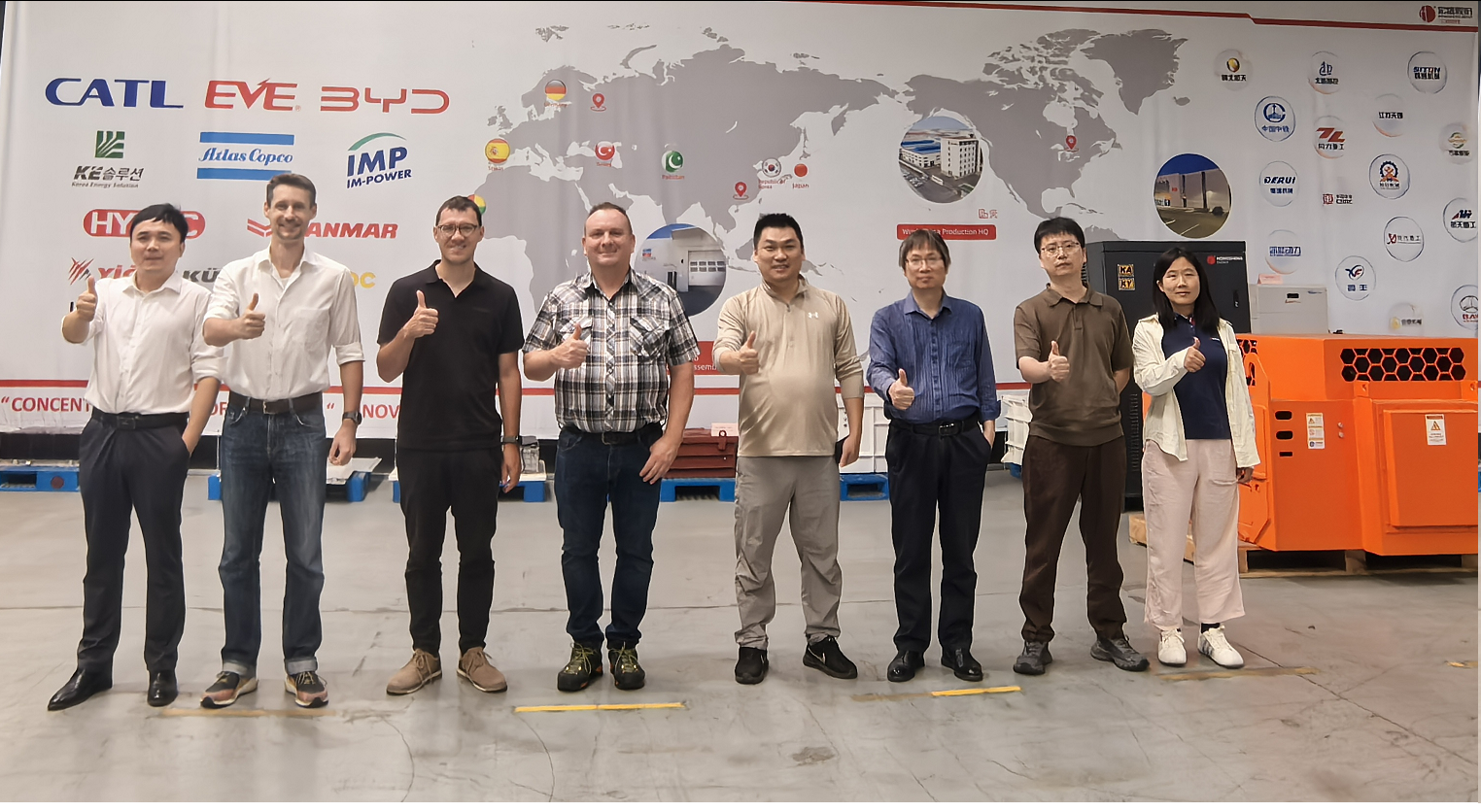
Liebherr visits to discuss new opportunities for overseas mobile new energy
2026-10-19
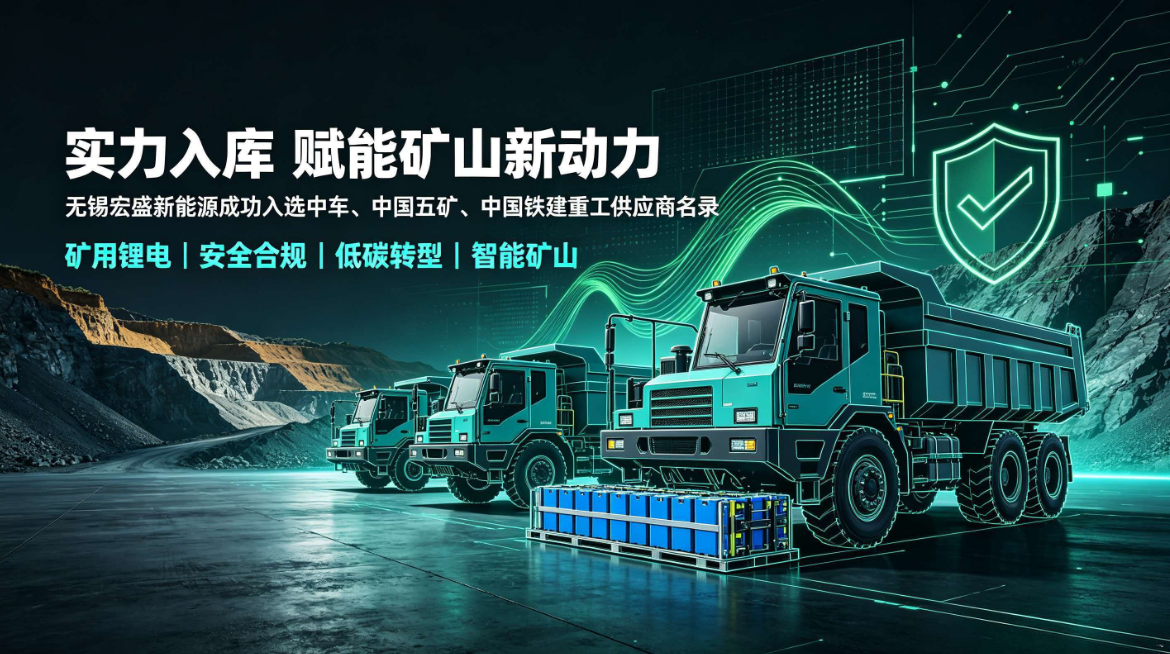
Deep cultivation of mining lithium battery track hard core strength recognized | Hongsheng New Energy enters the supply chain of multiple central enterprises
2026-08-06
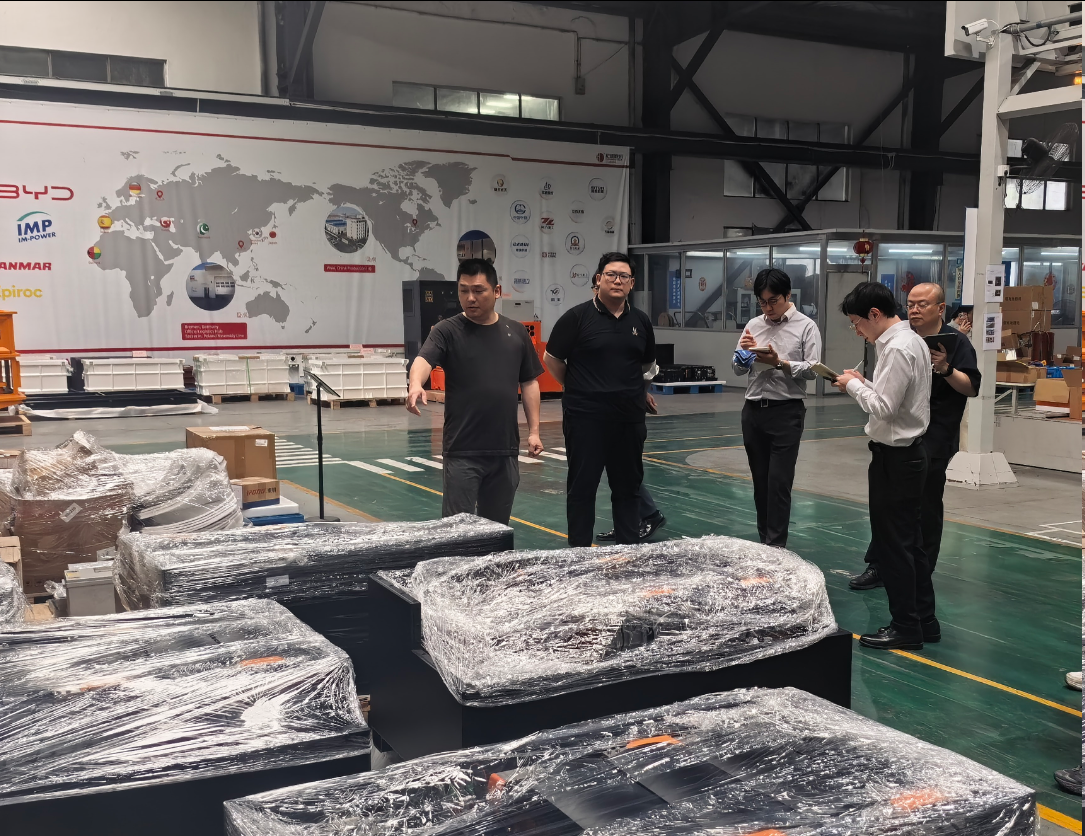
Deepen international cooperation and jointly expand the new energy engineering machinery market | Japan's Yangma visited our company to discuss cooperation in electric excavator battery box business
2026-07-29

Upgrading green production in mines to promote the large-scale application of lithium battery equipment in mining
2026-07-02

Overseas industrial equipment updates and iterations drive incremental exports of lithium battery supporting equipment
2026-07-02